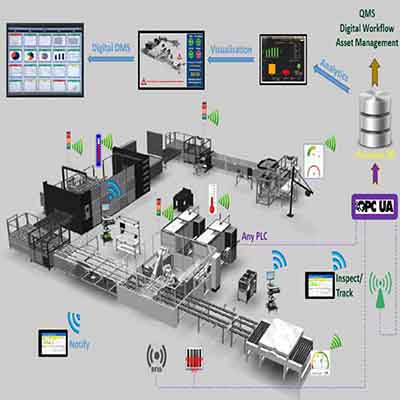
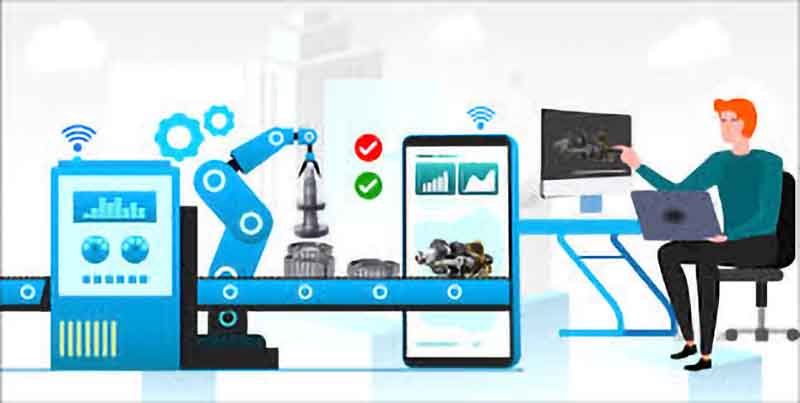
Intelligent technology production refers to the integration of digital and automation technologies into manufacturing and production processes. This integration supports smart, adaptable, and efficient systems that drive improvements in quality, productivity, and sustainability.
Key Components
Artificial Intelligence (AI) & Machine Learning:
These technologies optimize processes through predictive maintenance,real-time decision-making, and quality control. For instance, AI algorithms analyze data from production lines to predict equipment failures before they occur, minimizing downtime.
Automation & Robotics:
Advanced robotics and automation systems handle repetitive tasks with high precision. They improve throughput and consistency, reduce human error,and free up human workers for more complex problem-solving roles.
Internet of Things (IoT) & Smart Sensors:
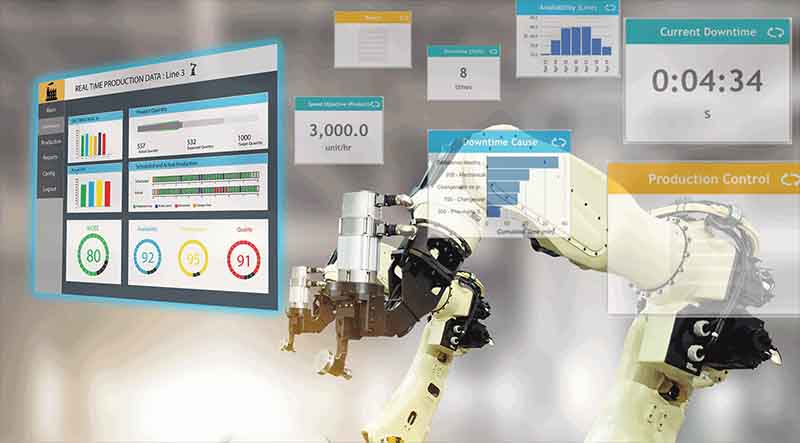
IoT devices and smart sensors enable the continuous monitoring of machines and processes. This real-time data collection is critical for adjusting production parameters dynamically, ensuring optimal performance and efficiency.
Digital Twins:
Digital twins create virtual replicas of physical assets or entire production lines. They are used to simulate operations, test process changes without disruption, and optimize designs before implementation.
Data Integration and Analytics:
The collection, integration, and analysis of large volumes of data from various sources (machines, sensors, supply chains) allow for comprehensive insights. These insights drive strategic decisions in inventory management, logistics, and overall process optimization.
Sustainable Production:
By using intelligent systems to monitor energy consumption and waste production, companies can achieve more sustainable manufacturing practices. This aligns with global trends towards reducing environmental impact and improving energy efficiency.
Trends and Industry Impact
Industry 4.0:
Intelligent technology production is at the heart of the Industry 4.0 movement, which emphasizes connectivity, data exchange, and the automation of manufacturing processes. This transformation is reshaping traditional production lines into smart, interconnected systems.
Increased Customization and Flexibility:
With the rise of intelligent production systems, manufacturers can respond more quickly to market demands. Customization of products becomes feasible without significantly sacrificing efficiency.
Economic and Workforce Implications:
While these technologies enhance productivity and lower costs, they also drive shifts in workforce needs. The emphasis is moving from manual tasks to roles focused on overseeing and optimizing automated systems.
Cybersecurity Considerations:
The integration of digital systems into production increases vulnerability to cyber threats. As such, robust cybersecurity measures are becoming an essential component of any intelligent production strategy.
Conclusion
Intelligent technology production represents a transformative shift in manufacturing—one that leverages digital tools and connectivity to create smarter, more efficient, and sustainable production environments. As industries continue to adopt these technologies, the benefits of increased agility, reduced costs, and improved quality will further drive innovation in manufacturing.